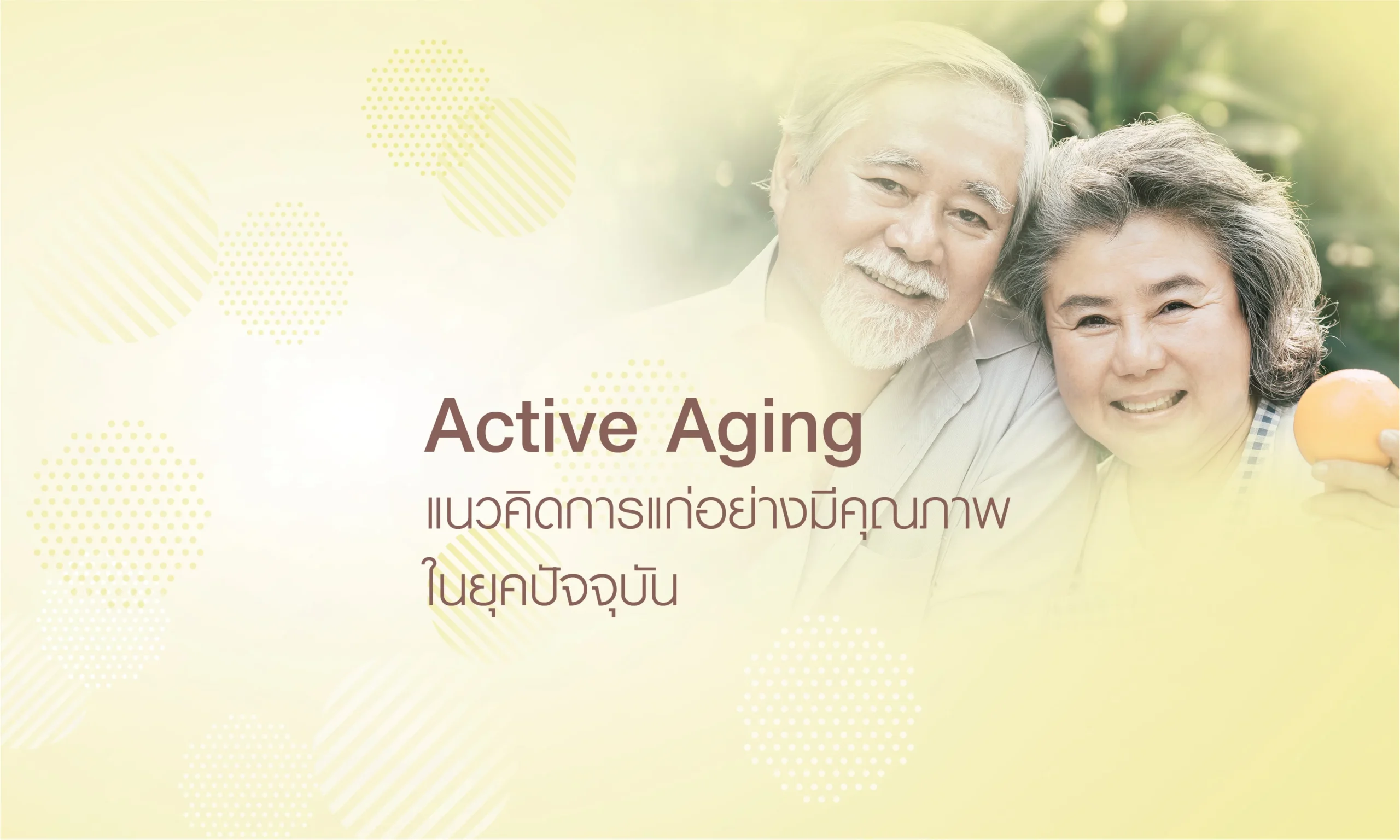
Aging is a natural process that is unavoidable. However, the word “aging” does not necessarily mean decline or loss of abilities. In today’s world, where medical knowledge and technology have advanced significantly, the concept of “Active Aging” has gained increasing popularity—especially among older adults who seek to live happily and healthily in their later years.
Active Aging is a concept that focuses on maintaining good physical and mental health at every stage of life. It is not just about reducing the risk of diseases but also about living a meaningful and fulfilling life. The true meaning of “aging” in this context is embracing life to the fullest and finding satisfaction in every change that comes with age.
In this article, we will explore the concept of Active Aging and ways to lead a high-quality life as we age.
1. What is Active Aging?
Active Aging, or aging with quality, is a concept that encourages older adults to live life to the fullest, stay happy, and not limit themselves from daily activities. This is made possible through support from society, family, and the government. The concept is based on maintaining both physical and mental well-being to adapt effectively to the changes that come with aging. It includes maintaining good health, strengthening mental resilience, and participating in activities that promote well-being and skill development.
Aging with quality in today’s world does not mean having a perfect body but rather being able to live independently and happily while embracing all the changes that come with age.
2. Mental and Emotional Well-Being
Mental health is another crucial factor in aging well. Maintaining a positive outlook and adapting to life’s changes can lead to a happy and fulfilling old age. It also helps reduce stress and anxiety that may arise from physical and lifestyle changes.
Engaging in activities that stimulate the mind—such as reading, meditation, or hobbies like painting, gardening, or cooking—can promote mental clarity and relaxation.
Staying socially connected with family and friends is also essential. A strong sense of community helps older adults feel valued and less isolated.
3. Healthy Nutrition
A well-balanced diet plays a vital role in maintaining physical and mental health. Good nutrition provides the energy needed for daily activities, reduces the risk of chronic diseases, and ensures the proper functioning of bodily systems.
A diet rich in proteins, carbohydrates, healthy fats, vitamins, and minerals is essential. Protein supports muscle growth and tissue repair, carbohydrates provide daily energy, and healthy fats—such as those from fish and nuts—enhance overall health while reducing the risk of heart disease.
Tip: Avoid foods high in sugar and unhealthy fats, as they increase the risk of diabetes, heart disease, and cognitive decline. Reducing sugar and fat intake can significantly improve long-term health.
4. Eating a Healthy Diet
Consuming a healthy diet is a key factor in maintaining good health, especially for older adults who want to keep their bodies and minds strong. Proper nutrition plays a crucial role in providing the body with essential energy, reducing the risk of chronic diseases, and ensuring the proper functioning of various bodily systems. This enables older adults to enjoy a high-quality and fulfilling life.
It is important to prioritize a well-balanced diet that includes essential nutrients such as protein, carbohydrates, healthy fats, vitamins, and minerals. Protein is vital for muscle building and tissue repair, while carbohydrates provide the necessary daily energy. Healthy fats, such as those from fish and nuts, contribute to efficient bodily functions and help lower the risk of cardiovascular diseases.
Tip: Avoid consuming foods high in sugar and unhealthy fats, as they can contribute to diseases such as diabetes, heart disease, and dementia, all of which can significantly impact the quality of life for older adults. Reducing sugar and fat intake can lower the risk of these conditions and promote long-term health.
5. Participation in Social Activities
Engaging in social activities and spending time with others is an essential factor that contributes to happiness and quality of life, especially for older adults. Participating in various social activities not only helps them feel a sense of purpose but also strengthens social connections and enhances life skills.
Volunteering is one activity that can foster a sense of self-worth among older adults. Helping others, whether in education or community service, allows them to feel that, even in a stage of life with fewer responsibilities, they can still play a meaningful role in society and make a positive impact on others. Additionally, volunteering helps build relationships with like-minded individuals, encouraging the exchange of experiences and the development of a strong social network.
6. Using Technology to Assist in Daily Life
In today’s era, technology plays an important role in facilitating everyone’s daily life, whether in communication, work, or health care. This is especially true for older adults, for whom technology has become a tool to make their lives more comfortable and improve their quality of life.
One example of using technology in daily life is the use of smartphones to track health. Various applications can be installed to help older adults monitor their health status, such as measuring heart rate, tracking blood sugar levels, or monitoring sleep patterns. By using these technologies, older adults can easily monitor their health and receive alerts if any abnormalities are detected in their bodies.
Active Aging is not just about reducing the risks of diseases but also about living a happy and meaningful life at every stage of life. Exercise, mental health care, proper nutrition, and participation in activities all contribute to helping older adults live a quality life as they age. By making small changes in daily habits, we can all enter old age with happiness and vitality, leading a long life filled with value.