When it comes to health and beauty care, many people may have heard the terms “Aging” and “Anti-aging” frequently. But did you know that while both terms are related to the aging process of the body and skin, their meanings are quite different? In this article, we will help you understand the differences between Aging and Anti-aging so that you can better care for your health and skin.
What is Aging?
Aging, or “the process of getting older,” is the natural process that happens over time to the body and skin, and it is something no one can avoid. No matter what we do, we still enter the aging process as we get older. This process occurs due to the degradation of cells in the body, the decline of hormones, and the accumulation of free radicals that damage cells.
The aging process impacts every living being and affects many parts of the body. As we age, various systems in the body begin to slow down or undergo changes, leading us to face physical and health changes that are visible. Aging affects many parts of the body, such as…
- Skin:
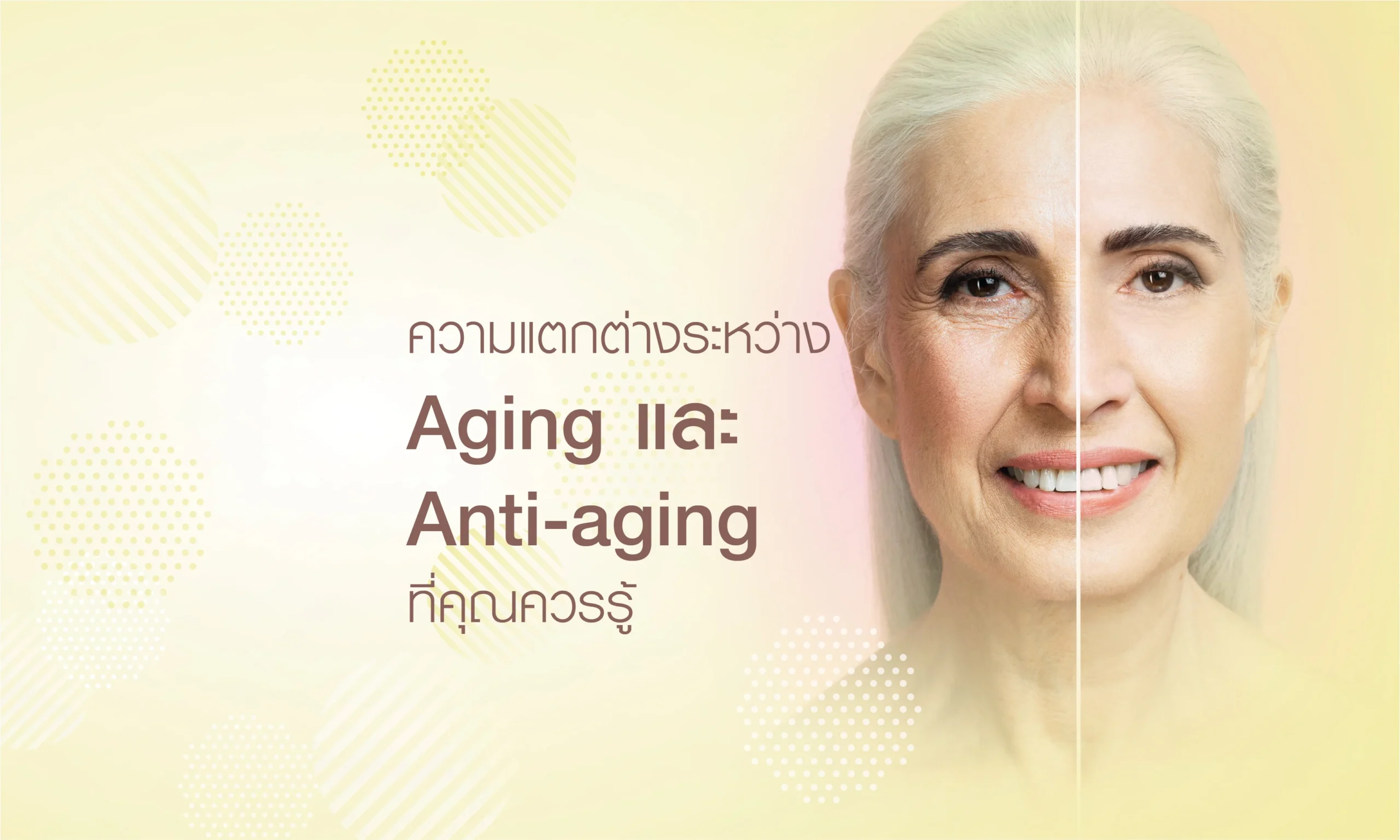
It is one of the areas most affected by aging. The decline in collagen and elastin in the skin is the main reason why the skin loses its elasticity and firmness. As a result, the skin begins to sag and develop wrinkles, especially around the face and neck. These changes occur gradually and are often noticeable during middle age or later years. - Muscular System:
The muscular system is also affected by aging. The loss of muscle mass (called sarcopenia) is another natural process that occurs with age. Muscles become less dense, causing the body to lose its firmness and flexibility. As a result, older adults may feel weaker, and activities requiring strength and power become more difficult. There is also an increased risk of injury - Immune System:
The immune system also weakens as we age. A weaker immune system reduces the body’s ability to fight off pathogens and infections, making older adults more susceptible to various diseases, such as respiratory infections, heart disease, and cancer. This can occur because the immune system is less efficient at dealing with abnormal cells. - Body Recovery:
Recovery from injuries or illnesses slows down with age. The body takes longer to heal due to a decrease in the efficiency of various systems, such as the circulatory system and tissue repair. This leads to longer recovery times from wounds or illnesses and may increase the risk of complications.
Due to these changes, aging impacts the body in many ways, from the skin and muscles to the immune system and the recovery process. All of these affected areas are essential to the quality of life. Therefore, appropriate health care tailored to one’s age is crucial in reducing the impact of aging and enhancing the quality of life in older years.
What is Anti-aging?
In contrast, Anti-aging refers to processes or methods aimed at slowing down or inhibiting the aging process by reducing the effects of bodily and skin deterioration, allowing us to maintain a youthful appearance and good health into old age. There are various Anti-aging techniques, such as using skincare products, exercising, eating healthily, or undergoing medical procedures to help delay aging.
Anti-aging can be achieved in several ways, including
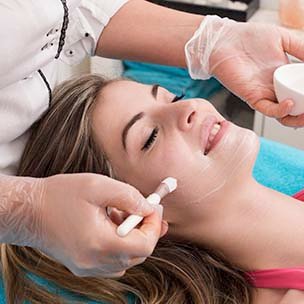
- Skincare: Using creams that stimulate collagen production, reduce wrinkles, and increase moisture in the skin.
- Eating nutritious food: Consuming foods rich in antioxidants, such as fruits and vegetables high in vitamins C and E, which help reduce cell deterioration.
- Exercise: Physical activity helps stimulate blood circulation and cell regeneration, keeping the body fresh and healthy.
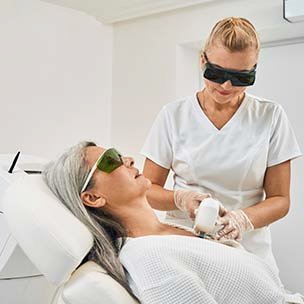
- Medical procedures: Such as Botox, fillers, or laser treatments to slow down or reverse skin aging, making the skin more firm and smooth.
Difference Between Aging and Anti-aging
- Aging is a natural process that cannot be avoided. Aging is a natural process that happens to everyone as time passes, but it can be slowed down by proper self-care. In contrast, Anti-aging involves using techniques to reduce the effects of aging, slowing down the aging process or delaying the appearance of wrinkles and body deterioration.
- Aging has clear impacts on health and the skin. As the aging process occurs, you will notice changes in your body, such as wrinkling skin, muscle mass reduction, or the development of health issues. On the other hand, Anti-aging focuses on maintaining the body and skin to minimize deterioration and keep them looking youthful.
- Aging is inevitable. No one can stop aging, but we can slow it down or reduce its effects through various methods. Meanwhile, Anti-aging helps slow the aging process or prevent the impacts from being visible quickly.
- Anti-aging is about prevention or delay. Anti-aging is about protecting and nurturing the body and skin to maintain youthfulness and strength for as long as possible, using methods such as skincare, exercise, or a healthy diet.
summarize
Understanding the difference between Aging and Anti-aging is essential to help us properly and effectively care for our health and skin in the long term. The aging process, or the process of getting older, is inevitable for everyone and occurs naturally as our bodies and skin lose elasticity and strength over time. The visible impacts of aging include the formation of wrinkles, sagging skin, and the deterioration of various cells within the body, such as the decrease in collagen and the ability to regenerate.
Although aging is a natural process that we cannot stop, we can slow it down by using Anti-aging techniques, which are strategies or methods to reduce or delay the appearance of wrinkles and the deterioration of the skin and body. Anti-aging does not mean halting the aging process, but rather reducing its intensity and improving the strength of the body and skin to maintain a youthful appearance for a longer time.
Anti-aging methods may include using skincare products with antioxidants, consuming nutritious foods and vitamins that help regenerate cells, exercising regularly, and avoiding risk factors such as smoking and direct exposure to sunlight.