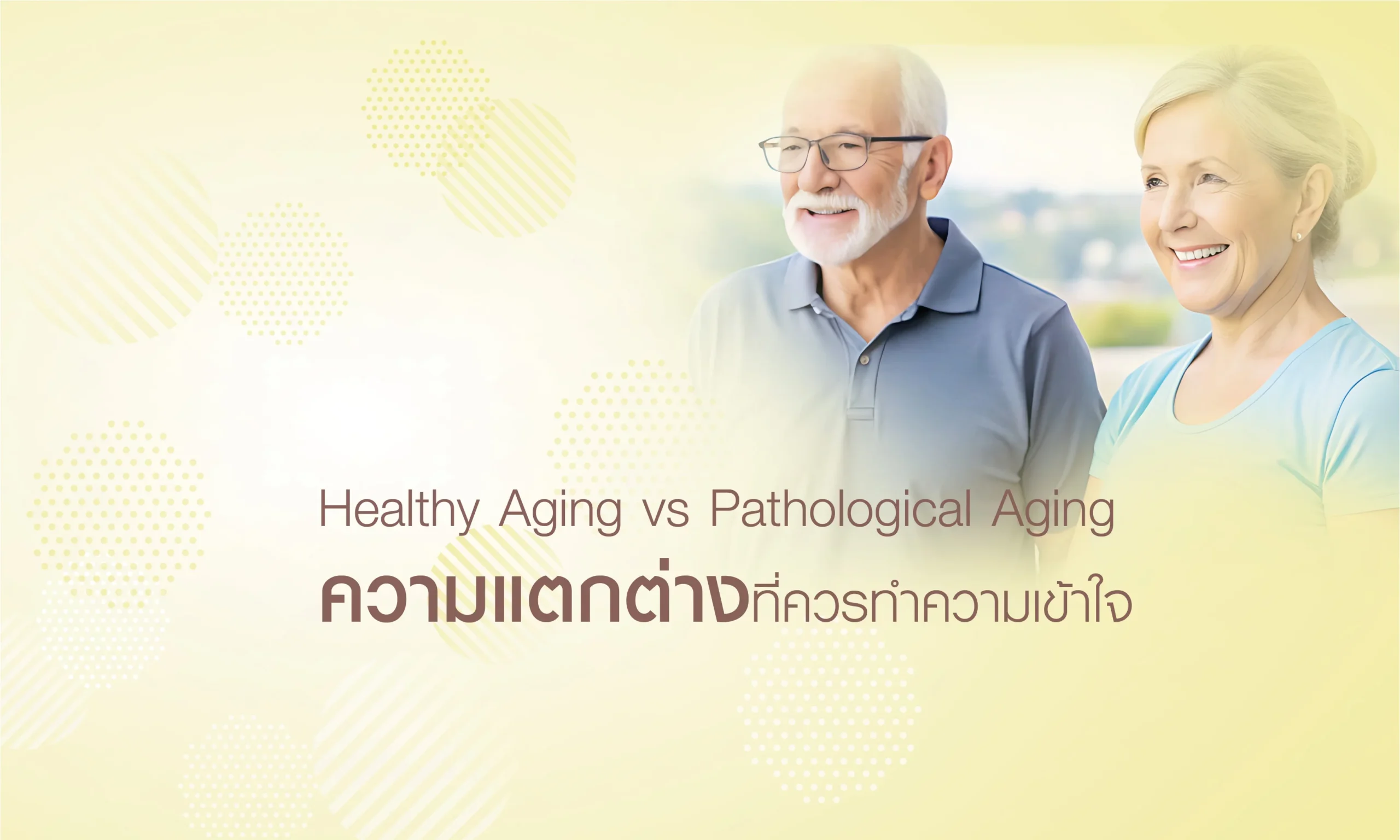
When talking about aging, many people might think it is inevitable. However, besides natural aging, there are two other types of aging that should be understood: Healthy Aging and Pathological Aging. These two types have significant differences that affect the quality of life during retirement and how we take care of our body and health in the long term.
In this article, we will explore the differences between Healthy Aging and Pathological Aging, what they are, and how to care for yourself to ensure that aging is healthy and of high quality.
Healthy Aging: The Good Aging
Healthy Aging refers to aging not only free from disease but also maintaining a good quality of life in the long term. Healthy aging is not just about being illness-free; it is about taking care of both physical and mental health to remain able to engage in activities freely, even as age increases.
Characteristics of Healthy Aging include:
1. Good Health: The key to good aging is maintaining strong health. People who experience healthy aging are free from chronic diseases such as diabetes, high blood pressure, or heart disease, which are all risk factors that can reduce quality of life. Maintaining health in old age should never be overlooked. Regular health check-ups and proper care will help prevent these conditions and allow one to live life to the fullest.
2. Maintaining Physical Strength: This is essential for living well in older age. Regular exercise strengthens muscles and bones, enabling the body to perform activities without fatigue or pain. Keeping the body balanced and flexible allows seniors to carry out daily tasks with ease, whether walking, doing housework, or even traveling. Maintaining physical strength is a key factor in increasing happiness during this stage of life.
3. Balanced Diet: A balanced diet is crucial for nourishing the body. Choosing foods rich in essential nutrients like vegetables, fruits, grains, and quality protein helps provide the necessary nutrients to maintain body cells and systems. A good diet not only keeps the body strong but also reduces the risk of chronic diseases commonly found in seniors, such as heart disease and cancer. Attention to nutrition is one of the methods that contribute to quality aging.
4. Mental Health Care: Mental well-being is just as important as physical health care. Keeping a mental balance helps prevent stress or anxiety, which can result from life changes, loss of loved ones, or social isolation. Relaxing through activities like reading, meditation, or socializing with friends can reduce stress and promote mental health. Caring for the mind is essential for aging with happiness.
5. Healthy Relationships: Maintaining good relationships with family, friends, or the community is another important factor in healthy aging. Good relationships make seniors feel valued and less isolated. Positive interactions with those around you promote emotional well-being and increase happiness. Being part of a community also helps seniors feel connected and supported emotionally during this important stage of life.
Pathological Aging: Aging with Health Problems
While Healthy Aging refers to aging with quality, Pathological Aging refers to aging that accelerates the deterioration of the body, often accompanied by various health issues such as heart disease, diabetes, high blood pressure, or dementia, which significantly reduce quality of life.
Characteristics of Pathological Aging include:
1. Chronic Diseases: Individuals experiencing pathological aging often have chronic illnesses such as diabetes, heart disease, or osteoporosis, which affect daily life and require ongoing treatment or medication.
2. Physical Decline: Pathological aging often leads to muscle or bone deterioration, making movement more difficult and causing pain, impacting the elderly’s ability to perform everyday activities.
3. Mental and Emotional Issues: Conditions like depression, dementia, or Alzheimer’s disease are common in elderly individuals facing health problems, significantly affecting their ability to perform daily tasks and live independently.
4. Lack of Joy in Life: Due to health issues or difficulty moving, those experiencing pathological aging may struggle to live their lives as they normally would or engage in social activities, leading to feelings of isolation and a lack of happiness.
Differences Between Healthy Aging and Pathological Aging
1. Health Status: Healthy Aging is typically free from chronic diseases or health conditions that interfere with daily life, whereas Pathological Aging is often accompanied by chronic illnesses or health conditions that limit the ability to carry out everyday activities.
2. Mobility: In Healthy Aging, individuals can perform various activities independently without pain or physical decline. In contrast, Pathological Aging is associated with a higher risk of physical disabilities, such as difficulty walking or moving.
3. Mental Health: Healthy Aging is characterized by maintaining happiness and good mental health, while Pathological Aging often affects mental health, leading to conditions such as depression or memory loss.
4. Social Relationships: People experiencing Healthy Aging generally maintain strong relationships with family and society. On the other hand, those who age prematurely with health problems often feel isolated and disconnected from social involvement.
Self-care to Slow Down Pathological Aging
Proper self-care can help slow down premature aging or the onset of Pathological Aging as follows:
1. Exercise Regularly: Exercise not only helps strengthen the body but also improves blood circulation and prevents physical deterioration.
2. Eat a Balanced Diet: Consuming a nutrient-rich diet helps boost immunity and reduces the risk of disease.
3. Get Sufficient Sleep: Good rest allows the body to recover and repair itself, reducing stress and strengthening the body.
4. Reduce Stress: Stress is a major factor in accelerated aging. Therefore, finding ways to relax, such as meditation or exercise, is important.
5. Regular Health Checkups: Regular health screenings and follow-ups help identify the status of your body and any health issues early, allowing for timely treatment.
summarize
Understanding the difference between Healthy Aging and Pathological Aging is crucial for maintaining good health at all stages of life. Proper self-care and adopting a healthy lifestyle will help us age with quality, not only improving physical health but also maintaining good mental health and strong relationships, making every day more fulfilling and meaningful.