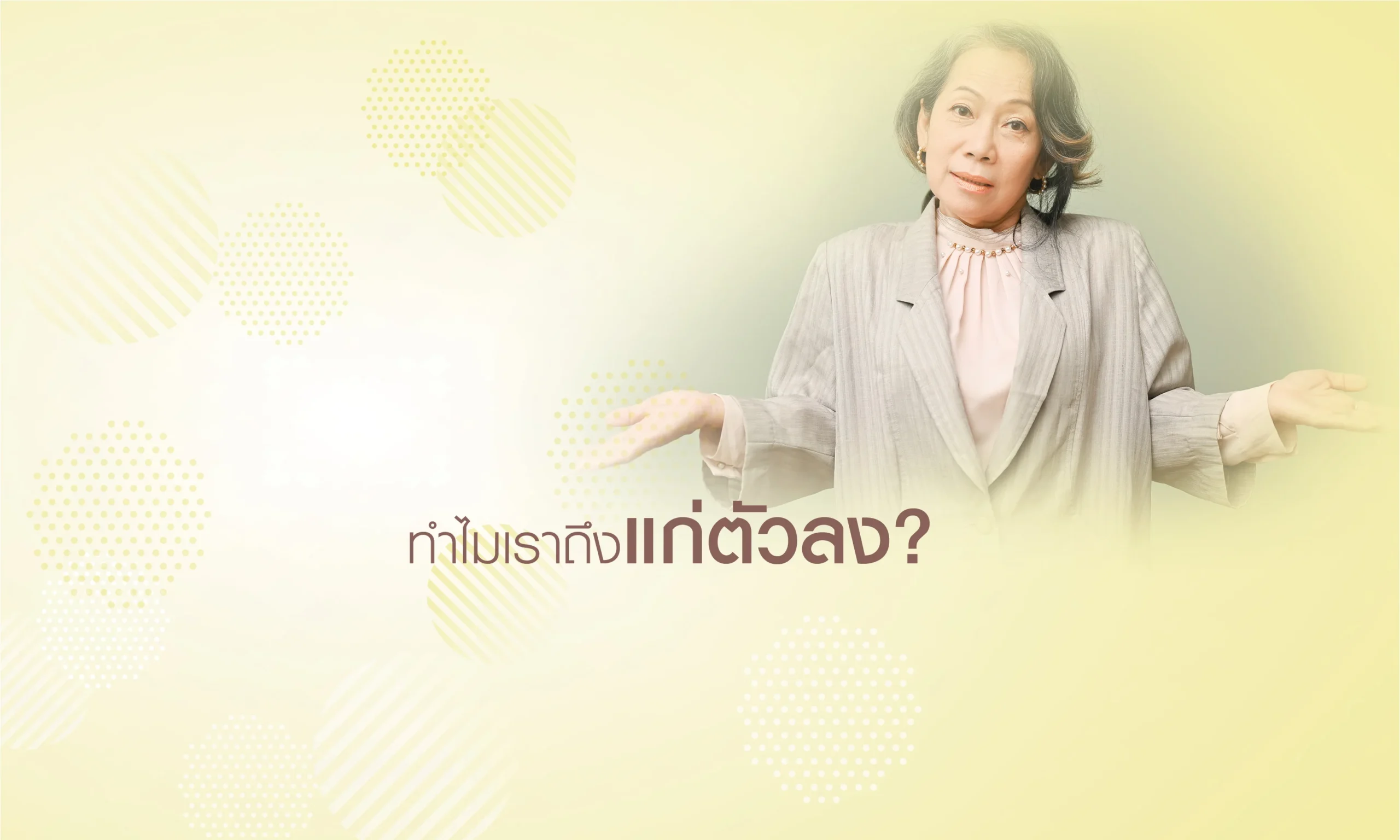
Aging, or entering old age, is a natural process that occurs in the human body, affecting everyone regardless of their age. Even in childhood and adolescence, where we see growth in the body, there is gradual cell deterioration and physical changes happening slowly. As we enter middle age and older years, people begin to notice more obvious changes in both the body and skin that are no longer the same. This article will help you understand the causes of aging as a natural process and the various factors that influence this process.
1. Decrease in Collagen and Elastin Production
A reduction in collagen and elastin production is one of the key factors contributing to wrinkles and sagging skin as we age. This process is a natural part of the body’s aging timeline. Collagen and elastin are essential proteins that help maintain skin’s elasticity and firmness. Collagen acts as a structural framework that provides strength to the skin, while elastin allows the skin to stretch and contract with movement. However, as we age, the production of these proteins decreases, leading to a loss of elasticity and firmness in the skin, which is a major cause of wrinkles and sagging.
Care Tips: To slow down the decline in collagen and elastin production, it is crucial to care for the skin to maintain its youthful appearance. Using skincare products that stimulate collagen and elastin production, such as creams containing Vitamin C (which boosts collagen production and protects against free radicals) or retinol (which helps rejuvenate skin and stimulate new cell growth), can help reduce skin aging. Additionally, keeping the skin hydrated with a good moisturizer and avoiding sun exposure are other ways to slow the degradation of collagen and elastin in the skin.
2. Hormonal Changes
Hormones in the body clearly affect the aging process, especially during periods of hormonal changes at different stages of life. For instance, during adolescence, the body produces hormones at their peak. However, as people enter middle age and later years, hormone production begins to decline. These hormonal changes can lead to physical and emotional shifts, such as:
Hormonal Changes in Middle Age: When women enter menopause, the decline in estrogen levels causes the skin to thin and lose elasticity. For men in their 40s and 50s, a decrease in testosterone can result in muscle weakness.
Care Tips: Eating a nutritious diet and supplementing hormones externally, such as using creams with certain hormones or engaging in exercise to boost testosterone production, can help manage these changes.
3. Accumulation of Free Radicals
The accumulation of free radicals is one of the main causes of cell degradation and aging in various organs, including the skin. Free radicals are substances generated during the body’s metabolic processes as a result of energy use in cellular activities. When free radicals are produced, they react with other cells in the body, leading to damage or destruction of those cells, such as the breakdown of proteins and DNA, which results in various problems both in the short and long term.
Care Tips: To prevent or alleviate the effects of free radical accumulation, maintaining body health is crucial. Consuming foods rich in antioxidants is an effective way to combat this issue. Antioxidants play a vital role in inhibiting and reducing the damage caused by free radicals. Colorful fruits and vegetables, such as blueberries, pomegranates, and spinach, are rich in vitamins and antioxidants, particularly vitamins A, C, and E, which help counteract free radical damage and repair damaged cells.
4. Cellular and Internal System Degeneration
According to the natural process, the cells in our body gradually degrade over time. Cell division slows down, and the production of new cells also decreases. This causes skin cells to lose the ability to regenerate as quickly as before, leading to visible signs of aging, such as wrinkles appearing on the skin. Various systems in the body, such as the digestive system, circulatory system, and immune system, may also begin to function less efficiently compared to their performance in youth.
Care Tips: Regular exercise and a nutritious diet can help stimulate cell function and promote the regeneration of body systems, supporting overall vitality and health.
5. Genetic Factors
Genetics also plays an important role in the aging process of individuals. Some people may be at a higher risk of developing age-related diseases or experiencing signs of aging earlier than others due to their genetic makeup. Genetics can influence the body’s degeneration process, such as the early formation of wrinkles, skin sagging, or various health problems related to aging.
Care Tips: Although genetics have an impact, maintaining good health through proper nutrition, regular exercise, and minimizing exposure to environmental pollutants can help mitigate the effects of genetics.
summarize
Aging is an inevitable natural process that everyone must face. Over time, the body and skin undergo changes, especially a decrease in skin elasticity, cellular degradation, and shifts in various body systems. However, understanding the causes of body and skin deterioration, along with proper self-care from an early stage, can help slow down this process. Self-care starts with eating a healthy diet rich in vitamins and minerals that support the immune system, reduce disease risks, and enhance skin vitality. Foods rich in healthy fats, such as fish and nuts, as well as fruits and vegetables abundant in antioxidants, help nourish both the body and skin, keeping them youthful and vibrant.